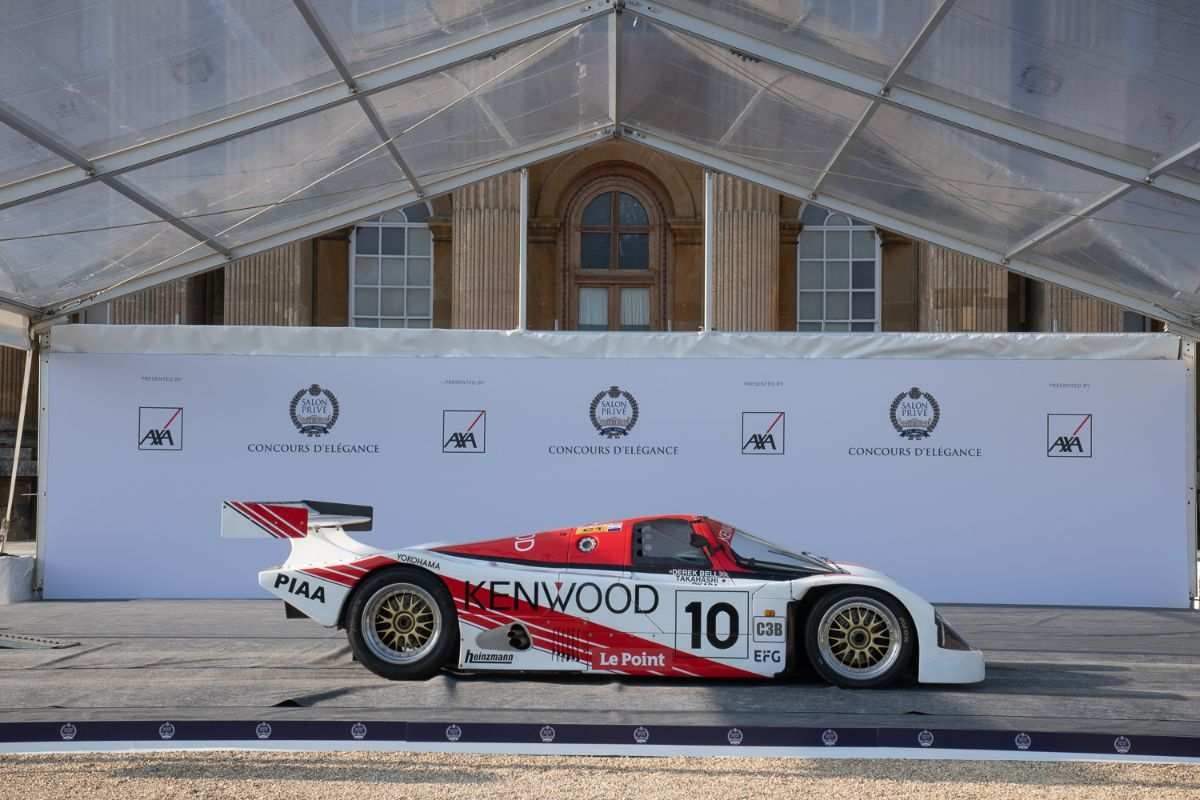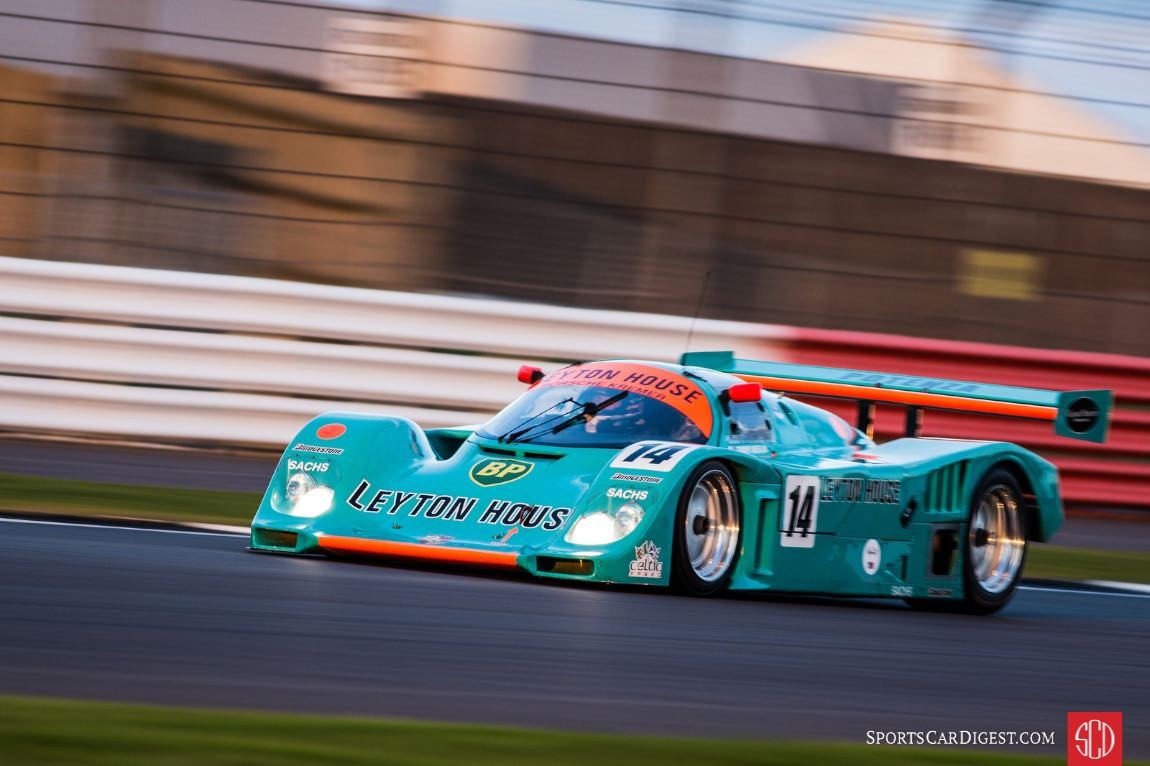

When the Porsche 956 was developed in late 1981, the intention of Porsche was to run the car in both the World Sportscar Championship and the North American IMSA GTP Championship. However IMSA GTP regulations differed from Group C and subsequently the 956 was banned in the US series on safety grounds as the driver's feet were ahead of the front axle center line. The Porsche 962 (also known as the 962C in its Group C form) was built by Porsche as a replacement for the 956 and designed mainly to comply with these IMSA's GTP regulations (it would later compete in the European Group C). The 962 was introduced at the end of 1984, from which it quickly became successful through private owners while having a remarkably long-lived career.
The Porsche 962 is one of the most dominant and celebrated race cars in motorsport history. Introduced in 1984 as the successor to the groundbreaking Porsche 956, the 962 continued Porsche's tradition of excellence in endurance racing. Built to comply with the FIA Group C regulations in Europe and IMSA GTP rules in North America, the 962 proved to be a versatile and reliable machine that achieved unparalleled success on both sides of the Atlantic. Its blend of speed, reliability, and cutting-edge technology made it a favorite among factory and privateer teams, cementing its place as one of the greatest race cars of all time.
The Porsche 962 was developed as an evolution of the 956 to meet the stricter safety regulations set by IMSA (International Motor Sports Association). The primary change was the extension of the wheelbase to move the pedal box behind the front axle, improving driver safety. This modification also made the 962 eligible for competition in IMSA’s GTP category, where the 956 did not qualify.