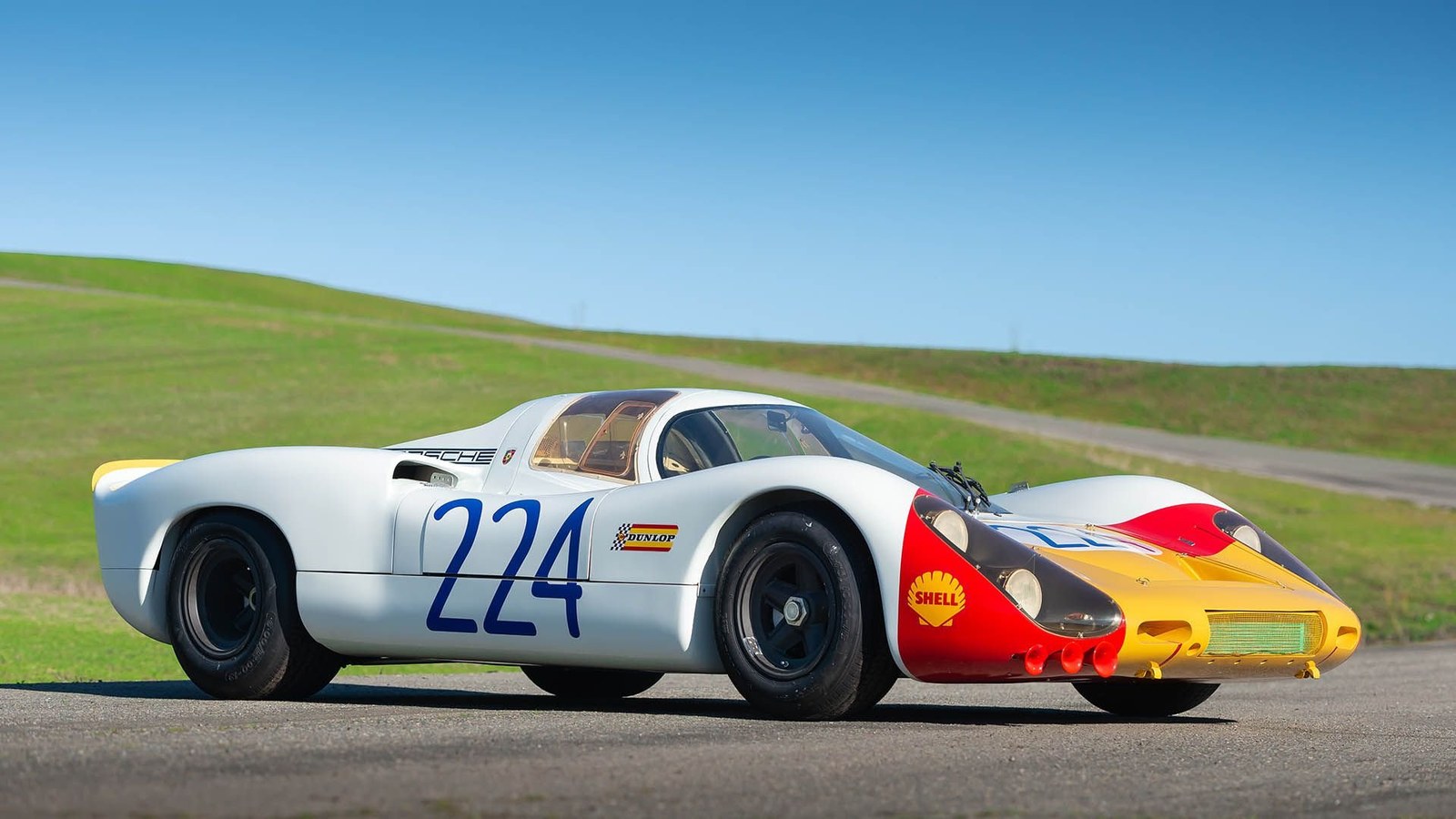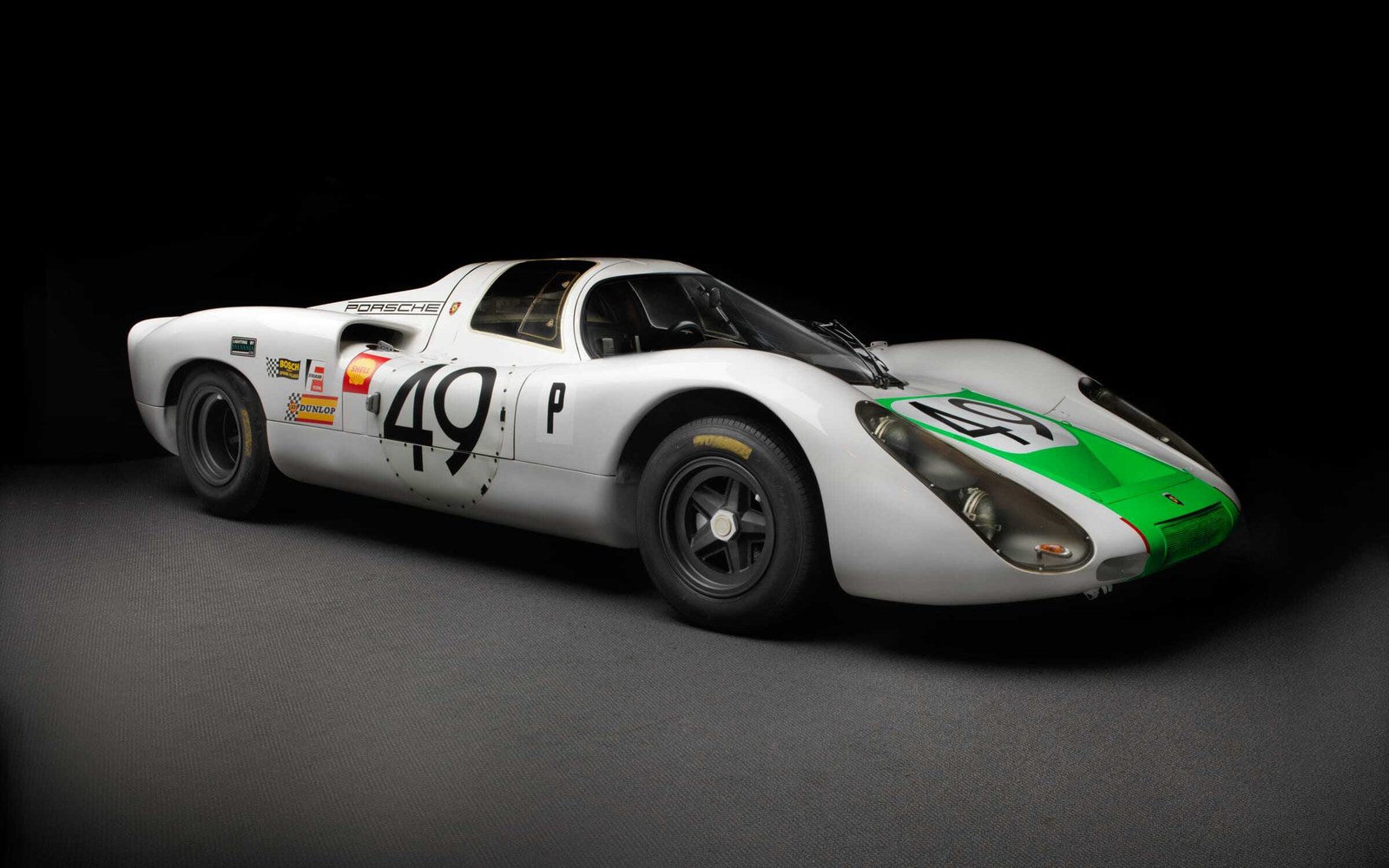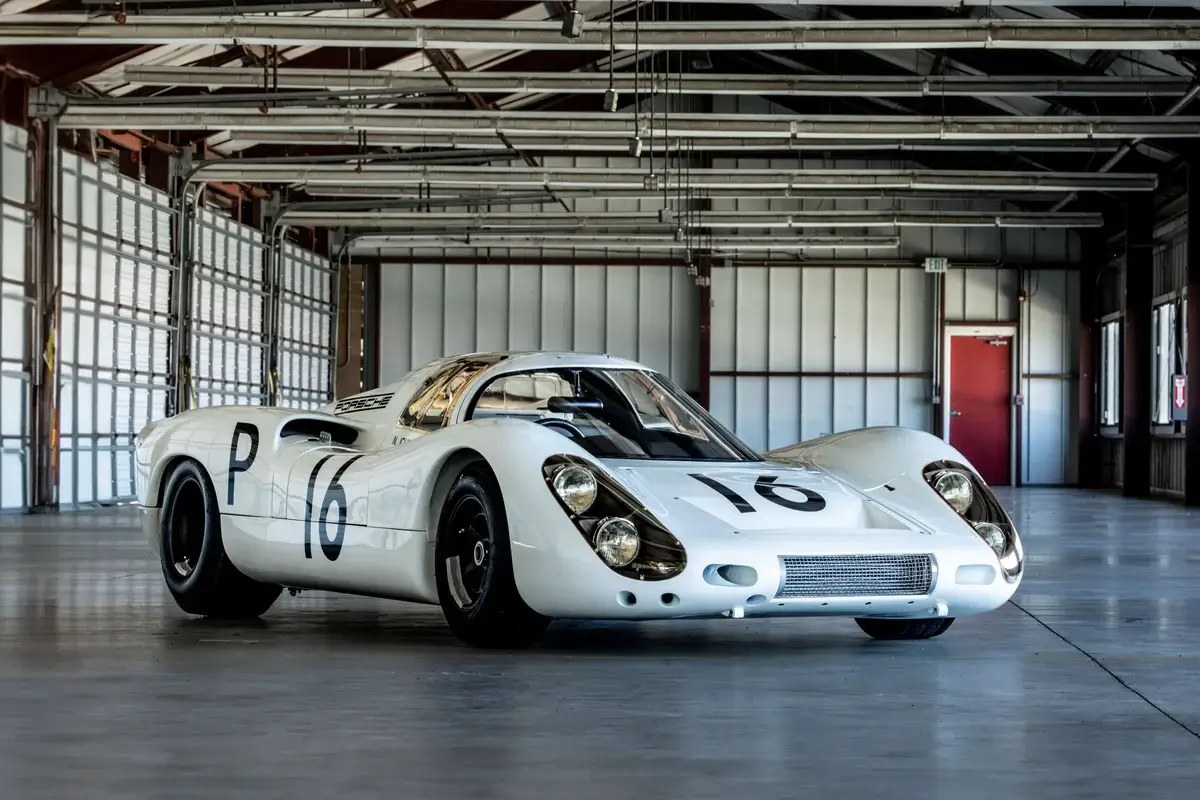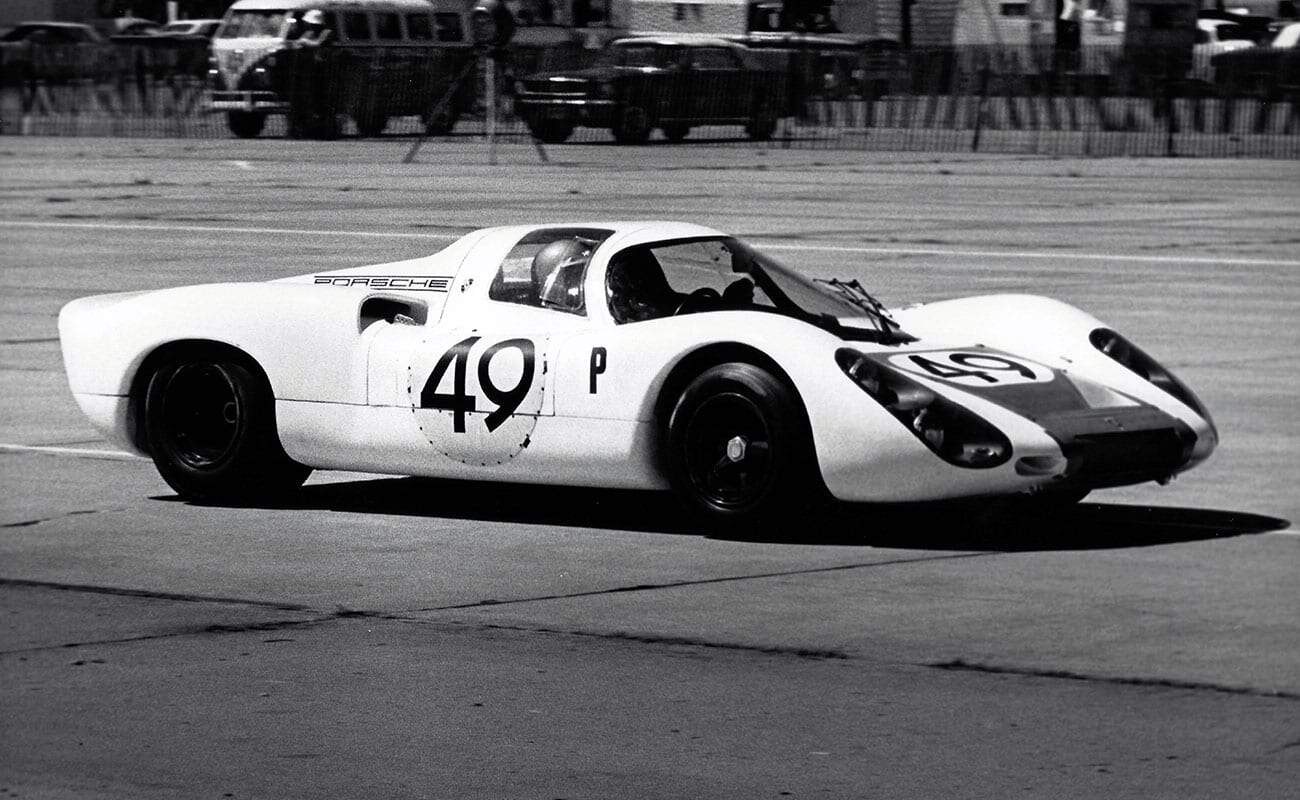

The Porsche 907 was a prototype racer during 1967 and 1968 and it was the first Porsche car to win the Daytona 24 Hours. It was revolutionary design, with long tail body designed to be slippery and low-drag for long endurance races. It also had innovations like the position of the driver seat, which was moved to the right side in order to be an advantage on the clockwise run circuits.
The Porsche 907, introduced in 1967, was a pivotal race car in Porsche’s motorsport journey, marking the company’s transition into the realm of high-speed endurance prototypes. Building on the success of the 906 and 910, the 907 was designed to tackle the world’s most challenging endurance races, including the 24 Hours of Le Mans, the Daytona 24 Hours, and the 12 Hours of Sebring. With its streamlined aerodynamics, advanced engineering, and relentless pursuit of efficiency, the Porsche 907 helped establish Porsche as a dominant force in international motorsport.
By the mid-1960s, Porsche was determined to compete with the larger, more powerful prototypes fielded by rivals like Ferrari and Ford. The 907 was developed to address the need for higher top speeds on long straights, particularly at circuits like Le Mans. Designed by Ferdinand Piëch, the 907 introduced a more aerodynamic body compared to its predecessors, with a distinctive long-tail (Langheck) design that reduced drag and improved high-speed stability.